


Projects
“First 1000 Days” project (Nurturing Foundations)
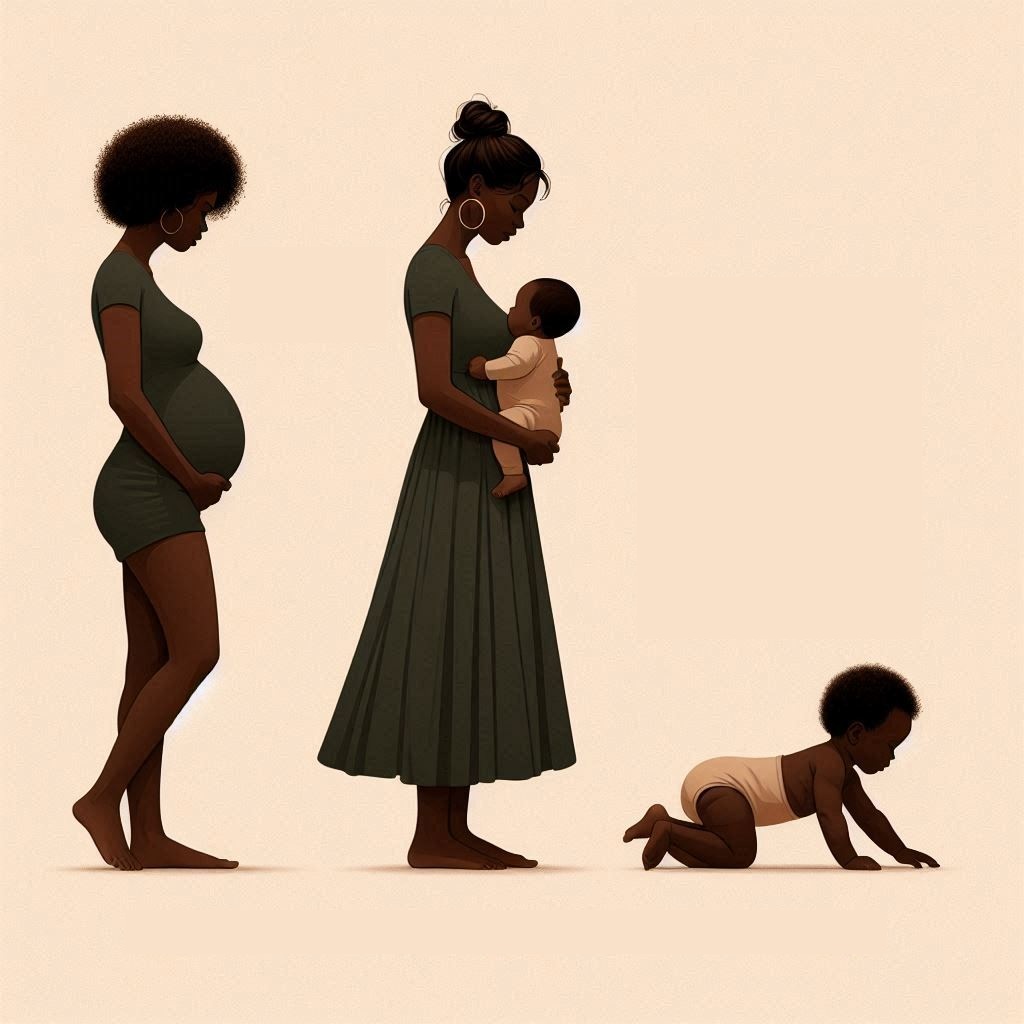
About the First 1000 Days project
The “First 1000 Days” project by Nurturing Foundations is a targeted community initiative based in North Manchester, UK, designed to support pregnant women and families with children under two years old. Operating in Harpurhey, in North Manchester, one of the most deprived areas in England, and ranked highly for the impact of long-term deprivation on children and families, the project aims to improve long-term health and developmental outcomes for children by addressing the impact of poverty and adverse childhood experiences (ACEs).
This project is only one of the many efforts that Nurturing Foundations is putting in Early Years care, a department led at Nurturing Foundations and here at MEaP by Ms Jumoke Quadri.
Background Context and Funding
The project is part of a larger £250,000 initiative launched by Manchester City Council in 2020–2021 to support voluntary and community sector (VCSE) organisations in improving early years outcomes.
The ultimate vision is to improve the resilience, aspirations, and skills of children and families, providing a foundation for better life chances.
Broader Context: The “First 1000 Days” Concept
 The project aligns with global health research showing that the 1000-day window from conception to a child’s second birthday is critical for brain development, immunity, and physical growth. During this period, 80% of a child’s brain develops, making it a pivotal time for interventions that can prevent long-term damage caused by poor nutrition or environmental stress.
Focus Areas and Goals
Target Population: The project specifically focuses on families in North Manchester, including Black and Minority Ethnic (BAME) communities that may experience higher rates of health inequality.
Combating Adversity: A core focus is helping families overcome the impacts of ACEs, such as trauma, and chronic stress.
Support & Education: Nurturing Foundations delivers family engagement sessions focused on:
Best Practice: Training on positive, nurturing care.
Trauma-Informed Practice: Supporting parents who have experienced adversity.
Overcoming Deprivation: Providing resources and guidance to mitigate the effects of poverty.
Tangible Support: Participants receive vouchers to purchase necessary baby items.
Key Outcomes and Impact
Based on reported data (as of 2022-2025), the project has achieved significant positive outcomes in participant confidence, mental health, and community engagement, including:
- Improved Mental Health and Well-being: 82% of participants reported improved well-being, while 85% reported improved mental health and independence.
- Increased Confidence and Social Skills: 87% of participants reported increased confidence in contributing to their community, and 80% reported improved social skills, resilience, and communication.
- Enhanced Life Skills: 80% of participants reported an increased ability to manage finances and increased engagement with local social networks.
In effect, the project gave much needed direct Support for Families: it project provided trauma-informed training and, notably, vouchers for families to purchase essential baby items, addressing immediate needs in an area ranked as one of the most deprived in England.
The project also focused on resilience building: The initiative helped families navigate challenging circumstances by focusing on early intervention, secure attachments, and positive parenting.